Affordable Deck Building Services: Enhance Your Home's Value
Cost-effective deck building solutions provide a practical option for property owners seeking to enhance their property's overall appeal. A well-constructed deck not only enhances outdoor aesthetics but can also attract potential buyers. By selecting budget-friendly materials and experienced builders, homeowners can achieve a desirable outdoor space. Still, knowing the details of deck construction and materials is important. What factors should one consider to guarantee a worthwhile investment?
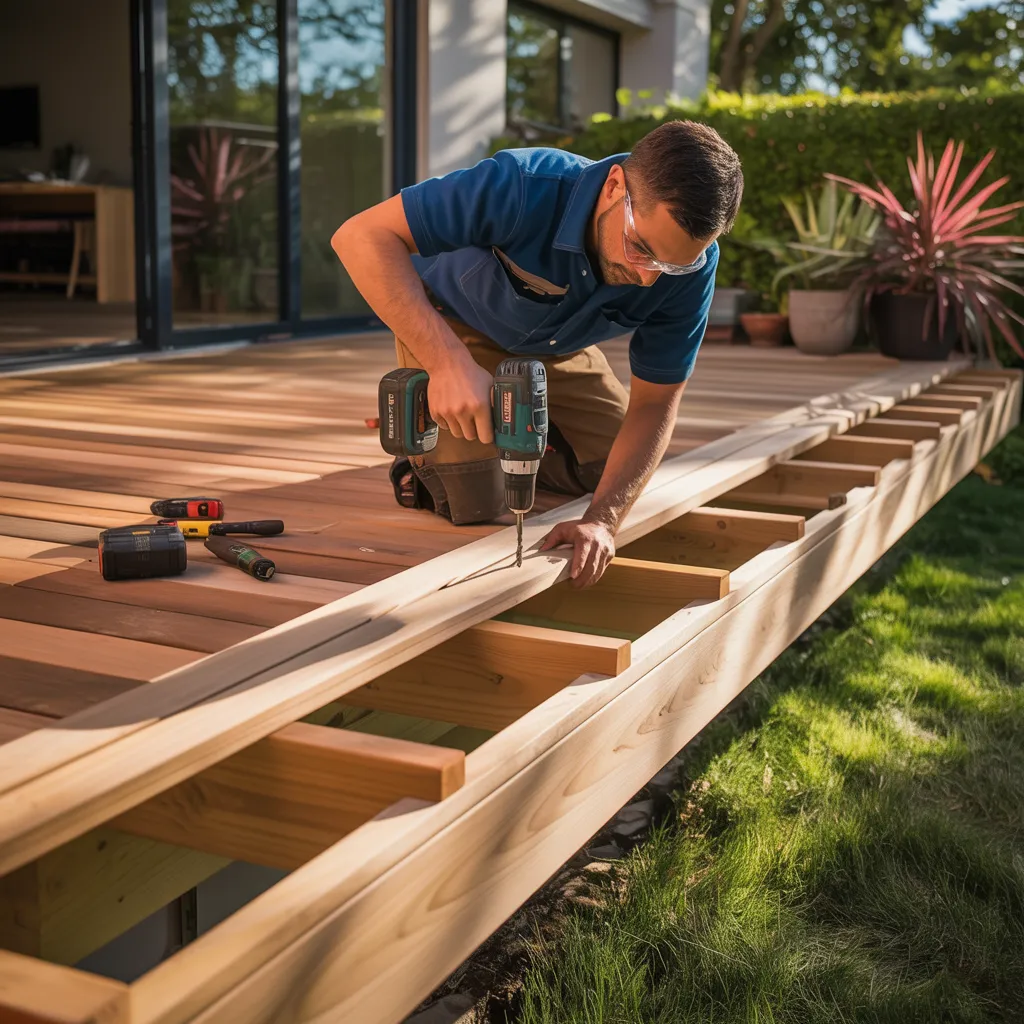
Why You Should Invest in Affordable Deck Building for Your Home
Opting for budget-friendly deck installation can considerably boost a home's value and appeal, especially when homeowners recognize the enduring rewards. A key reason to consider this investment is the increased outdoor living space it provides. A well-designed deck functions as an outdoor extension of the house, offering a flexible space for leisure, social gatherings, or al fresco dining. Moreover, decks can encourage a more active way of living by inspiring time spent outdoors.
Moreover, affordable deck building can contribute to increased property values. A well-constructed deck commonly appeals to potential buyers, making homes easier to sell. Durability and low maintenance costs associated with premium materials contribute to the deck's usefulness and desirability. Finally, the aesthetic enhancement that a deck brings can cultivate a warm and appealing space, promoting a feeling of ease and satisfaction. Property owners who thoughtfully invest in deck installation are positioned to enjoy both short-term and long-term rewards, enhancing their overall living experience.
Ways a Deck Transforms Your Home's Curb Appeal
A beautifully crafted deck serves as a stunning focal point that significantly improves a home's exterior appeal. Its presence reshapes outdoor spaces, encouraging potential buyers and visitors to imagine casual entertaining or serene evenings. A thoughtfully designed deck complements the home's architecture, creating a cohesive look that elevates the property's visual impact.
Additionally, the materials and finishes chosen can reflect a property owner's individual taste, adding to visual appeal. Lush landscaping paired with a deck can establish a harmonious living environment, drawing attention to the overall property.
In neighborhoods where homes can appear similar, a standout deck can make a property stand out, highlighting personal style and careful craftsmanship. This addition not only enhances visual appeal but also reflects a deliberate investment in the property, making it more appealing in today's demanding real estate landscape. In the end, a deck functions as both a practical area and a visual enhancement, significantly elevating curb appeal.
Types of Deck Materials and Associated Costs
When exploring decking options, property owners frequently compare the merits of wood versus composite options. Every material offers distinct benefits and varying costs that can considerably influence overall project budgets. Analyzing these factors assists in reaching knowledgeable determinations tailored to specific needs and financial considerations.
Wooden Decking Options
Wood decking selections offer homeowners with a variety of choices that address both design tastes and budgetary needs. Commonly used materials feature pressure-treated pine, recognized for its cost-effectiveness and durability, making it a common choice for financially mindful installations. Cedar and redwood deliver a more authentic aesthetic and protection against deterioration, although they are available at a greater expense. Exotic hardwoods, including ipe and mahogany, deliver remarkable strength and elegance but can greatly increase overall expenses. Moreover, maintenance factors, such as treating and protecting the wood, could influence ongoing financial commitments. In the end, choosing the right wood decking requires reconciling initial expenditure with long-term durability and appearance, allowing homeowners to maximize the value of their investment.
Advantages of Composite Materials
Although many homeowners prefer conventional wood choices, composite materials are growing in popularity due to their wide range of benefits. These materials, frequently crafted from a blend of reclaimed plastics and wood fiber materials, offer superior durability and resistance to weathering, pests, and rot. This longevity minimizes the need for frequent repairs and replacements, making them a sensible option for homeowners with active lifestyles. Additionally, composite decking demands significantly less upkeep than wood, eliminating the need for regular staining or sealing. Offering a wide selection of colors and textures, composite materials can mimic the appearance of wood while offering a more cohesive aesthetic. In the end, these qualities make composite decking a standout solution for those seeking to improve their outdoor living areas without giving up quality or beauty.
Comparative Cost Analysis
Knowing the expenses linked to various deck materials is crucial for homeowners considering a deck installation. Different materials come with unique price ranges, affecting total project budgets. Pressure-treated wood generally ranges from $15 to $25 per square foot, establishing it as a widely used and budget-friendly option. In contrast, premium hardwoods, such as teak or mahogany, can range from $30 to $60 per square foot, appealing to those seeking durability and aesthetics. Composite materials, while initially pricier at $20 to $40 per square foot, offer longevity with minimal maintenance, potentially offsetting long-term costs. Ultimately, selecting the right material involves balancing upfront expenses with future maintenance needs, ensuring the investment aligns with the homeowner's budget and desired deck functionality.
Essential Design Features for Your Ideal Deck
When considering the design of an optimal deck, choosing the right materials is crucial for both appearance and lasting quality. Additionally, the design and purpose must suit the planned purpose, whether for hosting guests, unwinding, or cultivating plants. Combined, these components form a unified exterior area that enhances the home.
Material Choice Considerations
Picking the correct material options for a deck is essential to reaching both usability and aesthetic value. Homeowners encounter numerous options, including PVC, wood, and composite materials. Real wood provides a classic look and can be treated to last longer, but demands routine upkeep. Composite decking offer weather resistance and durability, making them minimal in upkeep while mimicking the aesthetic of wood. get details on this PVC serves as another option, known for its resistance to fading and stains, but could lack the warmth of real wood. Furthermore, considerations such as intended usage, local climate, and budget constraints are significant factors in choosing the right material. By carefully evaluating these factors, homeowners can be confident their deck meets both visual and practical needs, enhancing their outdoor area considerably.
Design and Features
After choosing the right building materials, the next step involves examining the arrangement and practicality of the deck. A well-planned layout optimizes space while ensuring ease of movement and accessibility. Homeowners should think about the deck's main function—whether for social gatherings, leisure, or outdoor cultivation—and plan with that in mind. Features such as built-in seating, planters, or privacy screens can enhance usability and aesthetic appeal. Additionally, integrating flow with the home's structural style and outdoor environment is critical for a balanced appearance. Strategic zoning, including dedicated spaces for eating or relaxing, can enhance the entire outdoor setting. Accounting for variables like solar exposure and prevailing winds will further enhance the comfort of the outdoor space. Ultimately, thoughtful layout and functionality elevate both comfort and home value.
How to Find Reliable Deck Builders in Your Area
Identifying dependable deck builders in your vicinity can often feel like a daunting endeavor. To start the process, homeowners should ask for referrals from friends, family, or neighbors who have just finished comparable work. Online reviews and ratings on platforms like Google or Yelp can deliver useful perspectives on local builders' track records.
Furthermore, it is essential to confirm qualifications. Contractors must be accredited and insured, providing protection from potential liabilities. Seeking out a portfolio of prior work allows you to evaluate craftsmanship and style compatibility.
Homeowners should additionally gather multiple quotes to evaluate the pricing and services available. Transparent communication is key; builders ought to be ready to respond to questions and provide detailed project timelines. Lastly, checking for warranties or guarantees can offer additional peace of mind. By adhering to these guidelines, homeowners can effectively choose a trustworthy deck contractor who satisfies their requirements and standards.
How to Budget for Affordable Deck Building
Creating a budget for cost-effective deck building requires careful planning and consideration of various factors. Property owners should first identify their complete budget, which encompasses not only material costs but also labor, permits, and unforeseen expenses. Investigating local material prices for options such as wood, composite, or vinyl can assist in making well-informed decisions that align with financial limitations.
Moreover, it's crucial to focus on the features and design aspects. A simple design is often more affordable than detailed design components. Property owners should also look into discounts and seasonal deals from suppliers, which can generate substantial cost reductions.
Ultimately, collecting various quotes from trusted deck builders can help determine fair pricing and assist in choosing the right contractor. Through assessing all these factors, homeowners can build a sensible budget that supports a premium deck while staying within financial limits.
The Real Estate Value of Adding a Deck
Adding a deck can significantly boost a property's overall value, often generating a return on investment that interests potential buyers. Real estate experts regularly point out that properties featuring decks generally sell more rapidly and at increased price points compared to similar properties without outdoor spaces. A well-constructed deck provides additional living space, allowing homeowners to enjoy gatherings, barbecues, or quiet evenings outdoors, which can be particularly attractive in family-oriented neighborhoods.
Furthermore, decks can serve as a focal point in landscape design, reshaping an average space into a sought-after escape. Potential purchasers often perceive a deck as a symbol of a well-kept residence, also improving its marketability. Regional preferences also make a difference; in tropical areas, a deck can be a major selling point. All things considered, investing in a deck can not only enhance a residence's curb appeal but also meaningfully increase its broader financial value.
Key Maintenance Tips to Help Preserve the Value of Your Deck
Maintaining a deck is essential for maintaining its worth and extending its lifespan. Regular inspections should be conducted to detect any indications of deterioration, such as splitting wood or unsecured boards. Cleaning the deck at least twice a year helps clear away debris and mildew, which can result in damage. Using a mild detergent and a soft brush or power washer provides a deep clean without compromising the material.
Using a protective sealant every few years is crucial to defend against UV damage and moisture, consequently extending the deck's life. It is equally important to keep gutters clear to prevent water accumulation and to ensure proper drainage.
When it comes to wooden decks, periodic sanding could be needed to eliminate rough spots and preserve an attractive surface. Finally, making sure that furniture and planters are moved periodically can prevent uneven fading and pressure marks, effectively maintaining the deck's aesthetic and functional value.

Questions Our Customers Often Ask
What Building Permits Are Necessary for a Deck?
Building a deck generally necessitates a construction permit, zoning clearance, and potentially additional permits for plumbing or electrical work. Municipal regulations differ, so contacting your local municipality is essential to ensure all requirements are met.
How Long Does a Typical Deck Installation Take?
A conventional deck installation typically requires anywhere from one to three weeks, depending on size, complexity, and weather conditions. Proper planning and permitting can influence the timeline, helping to ensure a more seamless construction process.
Is It Better to Build a Deck DIY or Hire a Professional?
Constructing a deck independently as a DIY endeavor is possible, which provides a feeling of achievement, or hire a professional for expertise and efficiency. Both options depend on one's own capabilities, available resources, and expected goals.
What Are Common Deck Design Trends This Year?
This season, leading trends in deck design encompass multi-tiered structures, built-in seating, environmentally friendly materials, and striking color combinations. In addition, outdoor illumination and smart home technology features are growing in demand, enhancing functionality and aesthetic appeal for property owners.
What Eco-Friendly Materials Are Available for Deck Building?
Yes, there are multiple environmentally friendly choices for deck building, including recycled wood, bamboo materials, and composite materials crafted from recycled plastics and wood fibers. These materials decrease ecological impact while delivering long-lasting beauty and strength.